

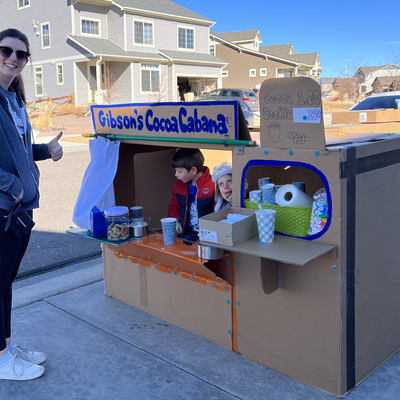
Ready to engineer with triangles?
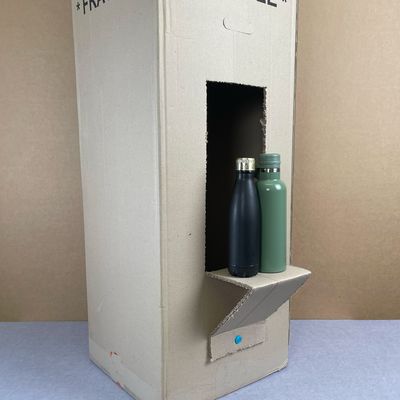
Learners will discover how triangular supports create sturdy cardboard shelves using Makedo tools. It's the perfect introduction to structural engineering concepts!
Discover how the triangle's shape distributes weight evenly and prevents sagging, helping reinforce why engineers rely on this simple yet powerful shape in bridges, buildings, and everyday structures.
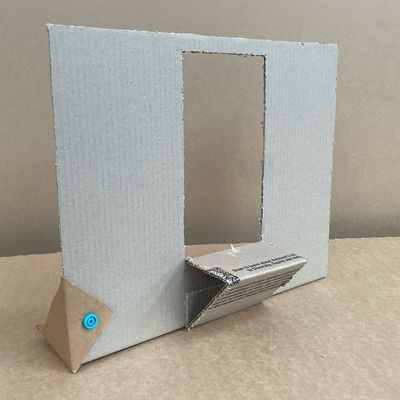
Download and print this template for makers!
Follow the Template
Step 1
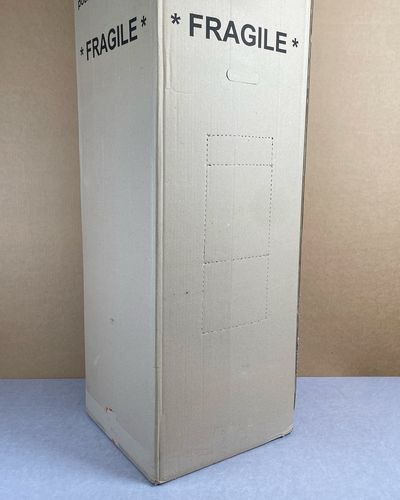
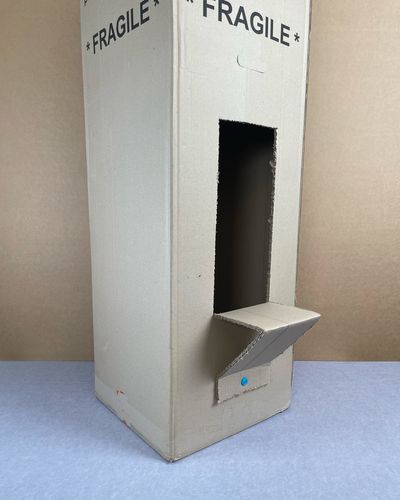
Determine window and shelf location: Using an assembled medium-sized box, have students decide where a good window display would be.
Follow the template: Use the Makedo Fold-Roller to mark cuts and folds to create a supported shelf with a triangular fold integrated into a cardboard box.
Cut top and sides only
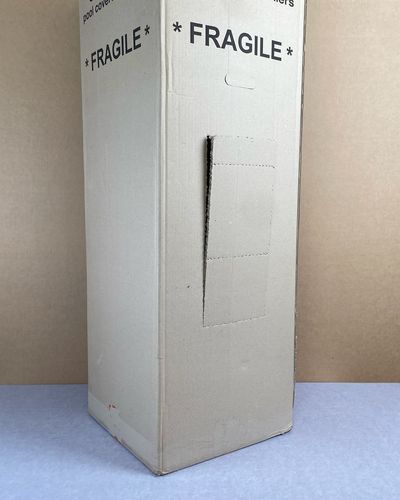
Step 2
Use the Safe-Saw to cut the top and sides only.
Fold
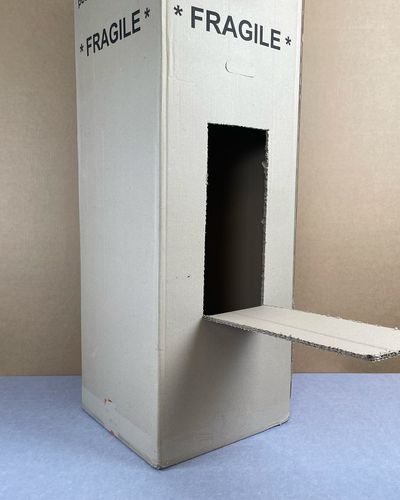
Step 3
Bend down at Fold 1.
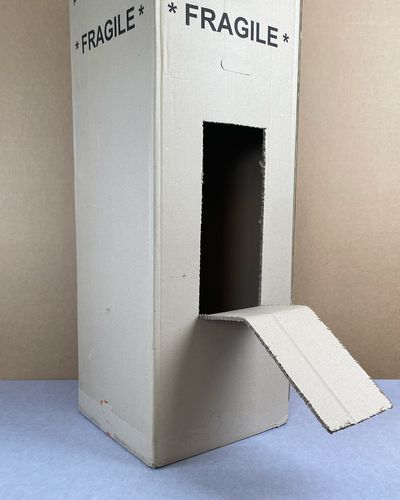
Step 4
Bend down at Fold 2.
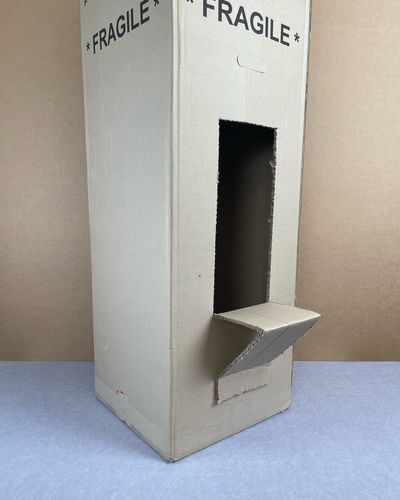
Step 5
Bend in at Fold 3 (note, this fold is in the opposite direction from folds 1 and 2).
Connect
Step 6
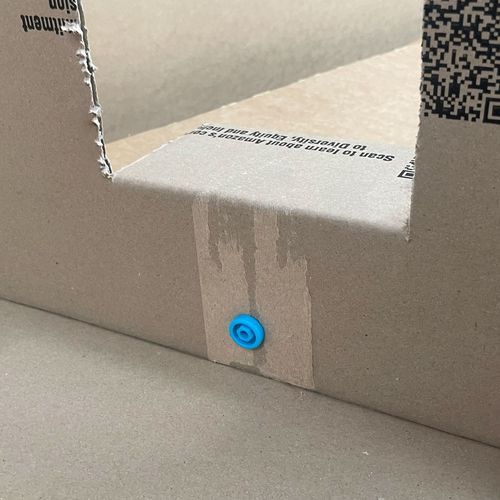
Hold in position and connect flap C with a Scru using a Scru-Driver or Mini-Tool.
Master Moves
Stability Tips
Flutes: The shelf works best with flutes running vertically (perpendicular to where students bend the cardboard). If the flutes are inline with the bend, stability will be lost when pressure or weight is added to the shelf. This could be a very good way for students to test stability by building a shelf with flutes running vertically and another with flutes running horizontally.
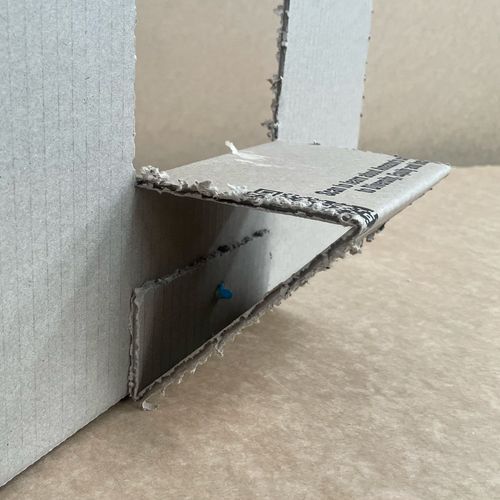
Angles: A strong shelf can be made using a right isosceles triangle as the support. This means two sides are equal in length, with a longer side joining them. Imagine the shape you get if you take a square and draw a line from corner to corner.
To calculate the length of the longer side "B", we use the equation A x √2.
A simpler way to see this is:
A x 1.41 = BFor example, if A = 10cm, our equation would be:
10 x 1.41 = 14.1cm
Note: Make sure Flap C is a minimum of 4cm. This will allow enough space to connect the support with a Scru.
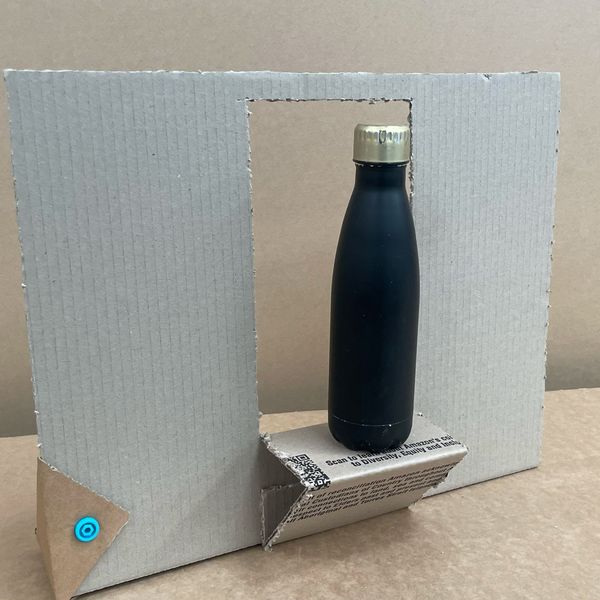
Option to Hide
If there is limited space to connect the folded flap, students can conceal it by folding it up and under rather than down. Then, use a Scru from the inside out to connect the shelf to the structure.
Challenge Students to Make a Stable Shelf
Follow this Quick Activity to challenge students to engineer with triangles!